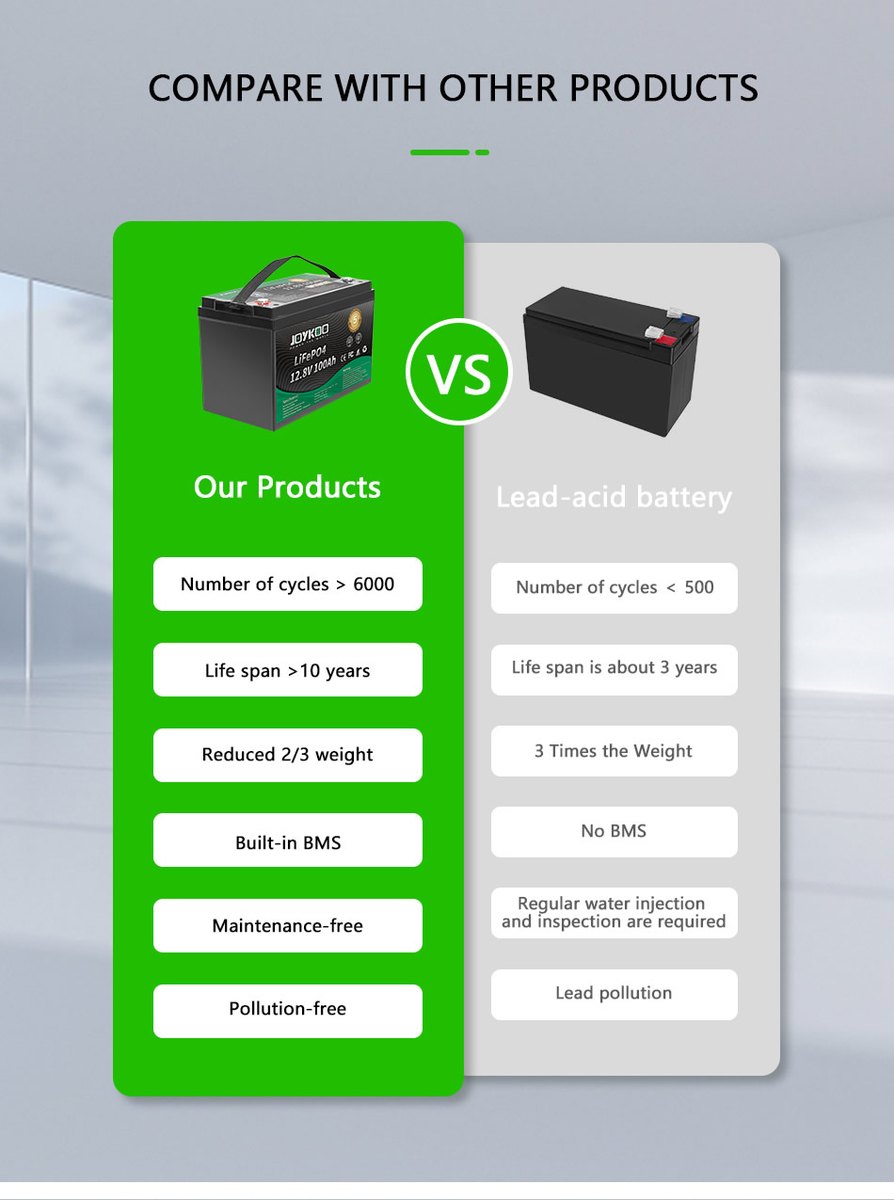
Our lithium iron phosphate (LFP) battery packs are engineered as direct upgrade paths for installations currently running on lead-acid chemistry — same nominal voltage families, same footprint discipline, longer service life and no watering or equalisation maintenance.
Why Customers Replace Lead-Acid with Lithium
- Weight reduction: typically 30–50% lighter than the equivalent lead-acid pack, which directly improves payload, handling and installation effort.
- Service life: LFP delivers several times the cycle life of lead-acid at partial depth of discharge, cutting replacement frequency and total cost of ownership.
- Maintenance-free operation: no watering, no terminal equalisation, no acid corrosion, and no dedicated indoor ventilation requirements.
- Efficiency: higher charge/discharge efficiency means less energy lost as heat, lower electricity cost and a smaller PV or generator capacity requirement.
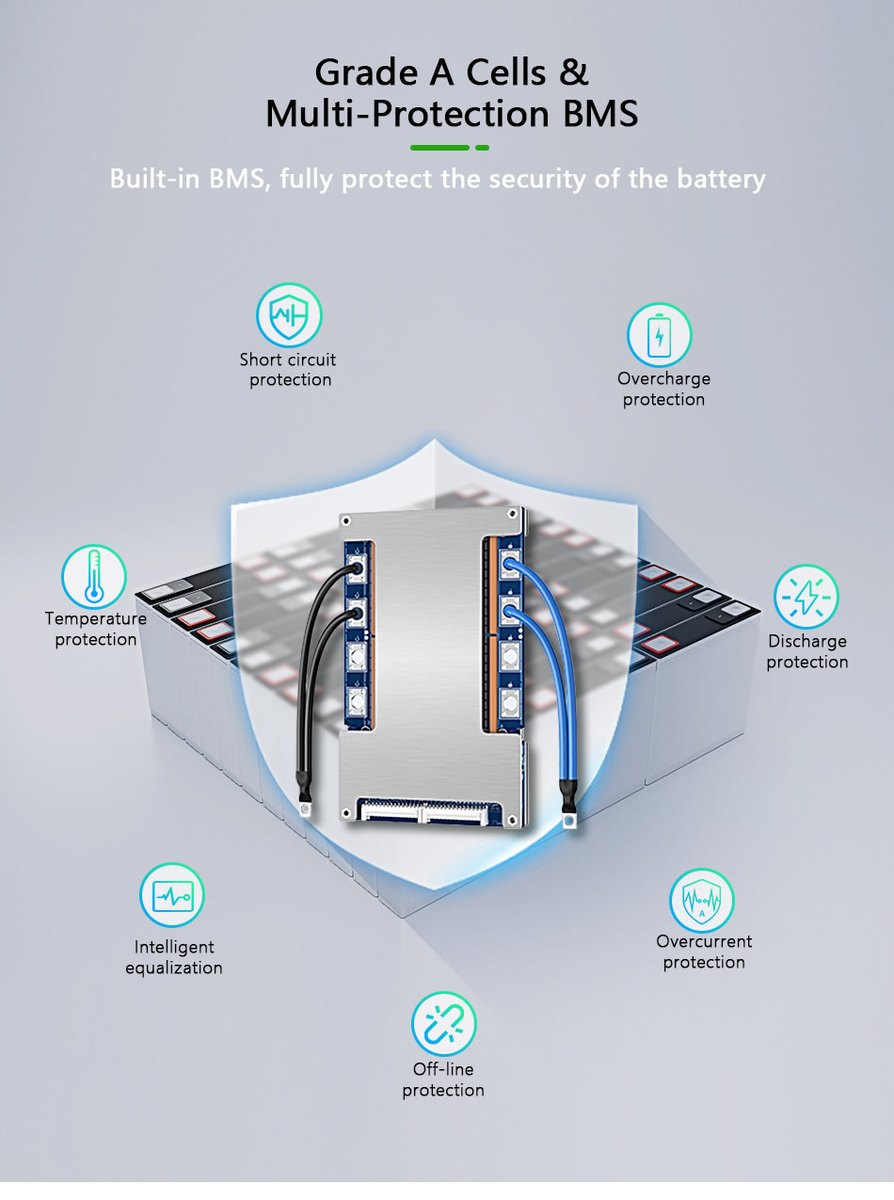
- Safety and monitoring: integrated BMS with cell-level protection, balancing and optional CAN / RS485 communication for remote diagnostics.
- Deep-discharge tolerance: usable capacity in real backup service is closer to nameplate than lead-acid, which is typically sized with a large derating factor.
Typical Replacement Scenarios
- Solar and off-grid storage: replacing 12 V / 24 V / 48 V lead-acid storage banks in residential or small-commercial systems.
- UPS and telecom backup: cabinet-level battery strings where footprint, weight and maintenance access drive the decision.
- Forklifts, AGVs and material handling: traction packs where weight, cycle life and fast opportunity charging decide the economics.
- E-bikes, e-trikes and mobility: pack platforms moving from 12 V lead-acid groups to 24 V / 36 V lithium architectures.
- Cleaning, golf and mobility vehicles: high daily-cycle duty where lead-acid degrades fastest.
- ESS cabinets and micro-grids: retrofit of existing lead-acid cabinets to extend asset life without replacing the whole system.
Replacement Voltage Families
The table below lists the standard voltage families we supply for lead-acid replacement. Dimensions, weights and exact capacities are confirmed per project — send us the lead-acid model or the existing battery specification and we will map the equivalent lithium pack.
| Nominal Voltage | Typical Lead-Acid Equivalent | Lithium Chemistry | Main Applications |
| 12.8 V | 12 V | LFP / NMC | Solar storage, e-bikes, mobility, backup |
| 25.6 V | 24 V | LFP | Solar & ESS cabinets, industrial carts, AGV |
| 38.4 V | 36 V | LFP | E-mobility, light equipment |
| 48 V | 48 V | LFP | Traction, forklift, telecom, micro-grid |
| 60 V / 72 V | 60 V / 72 V | LFP | Material handling, larger traction packs |
Typical Products
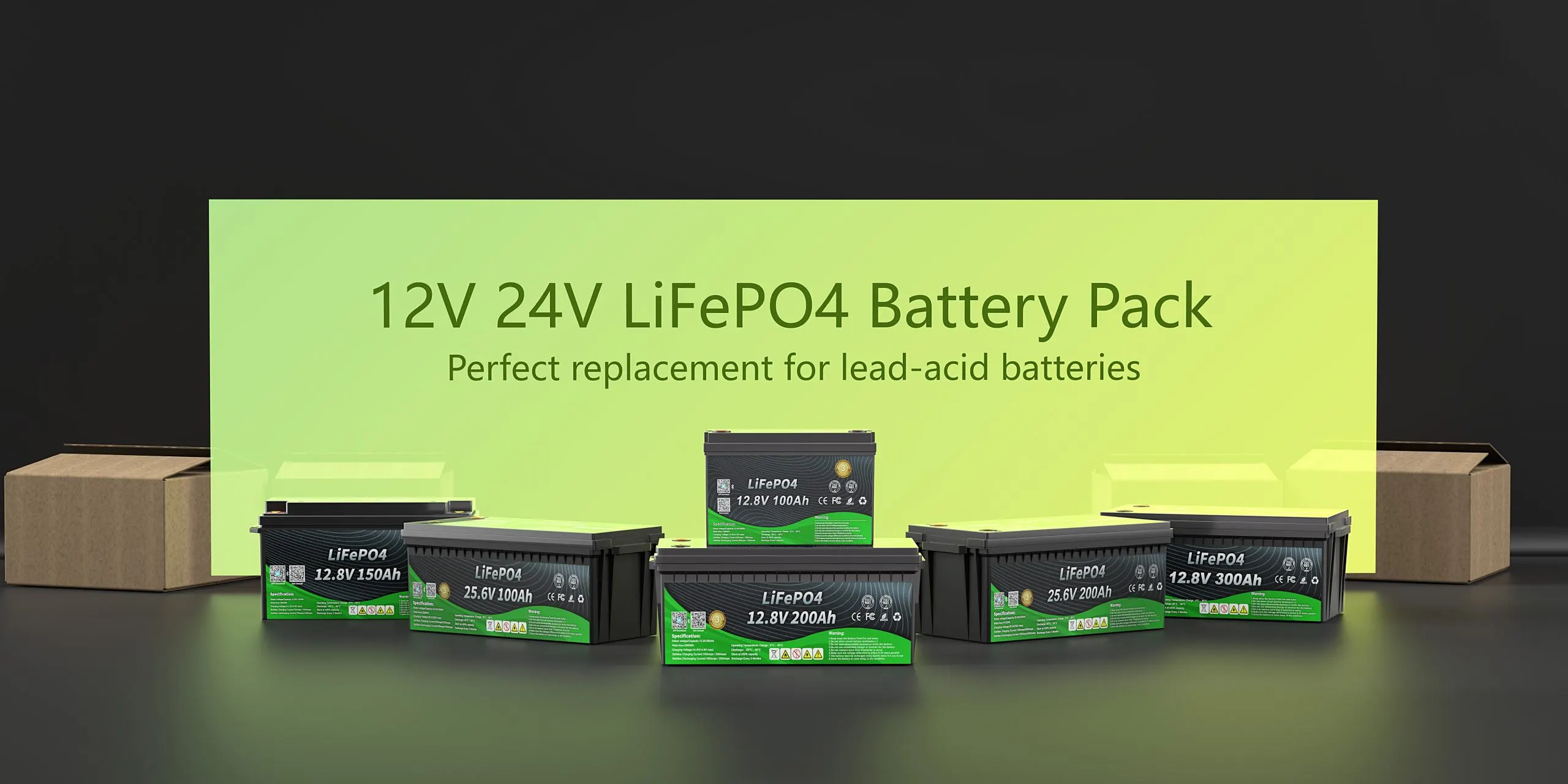
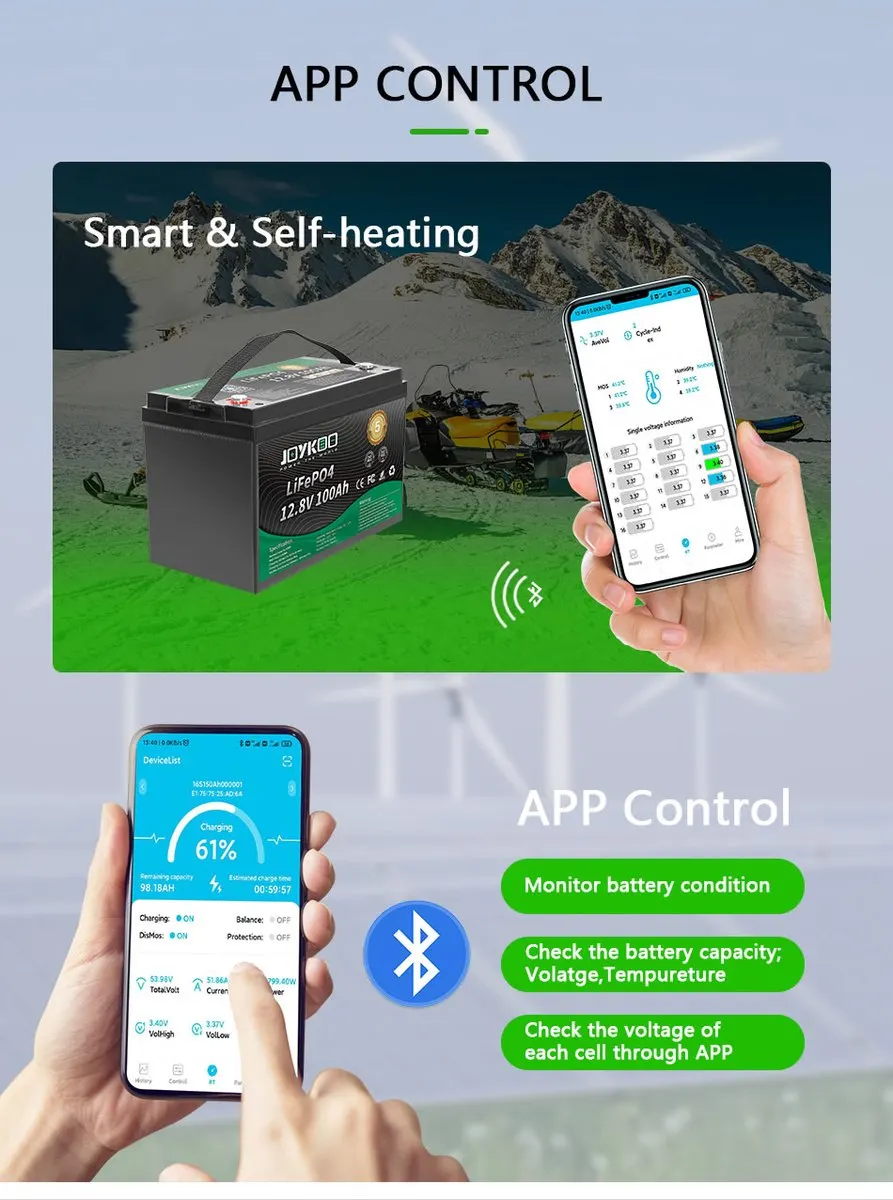
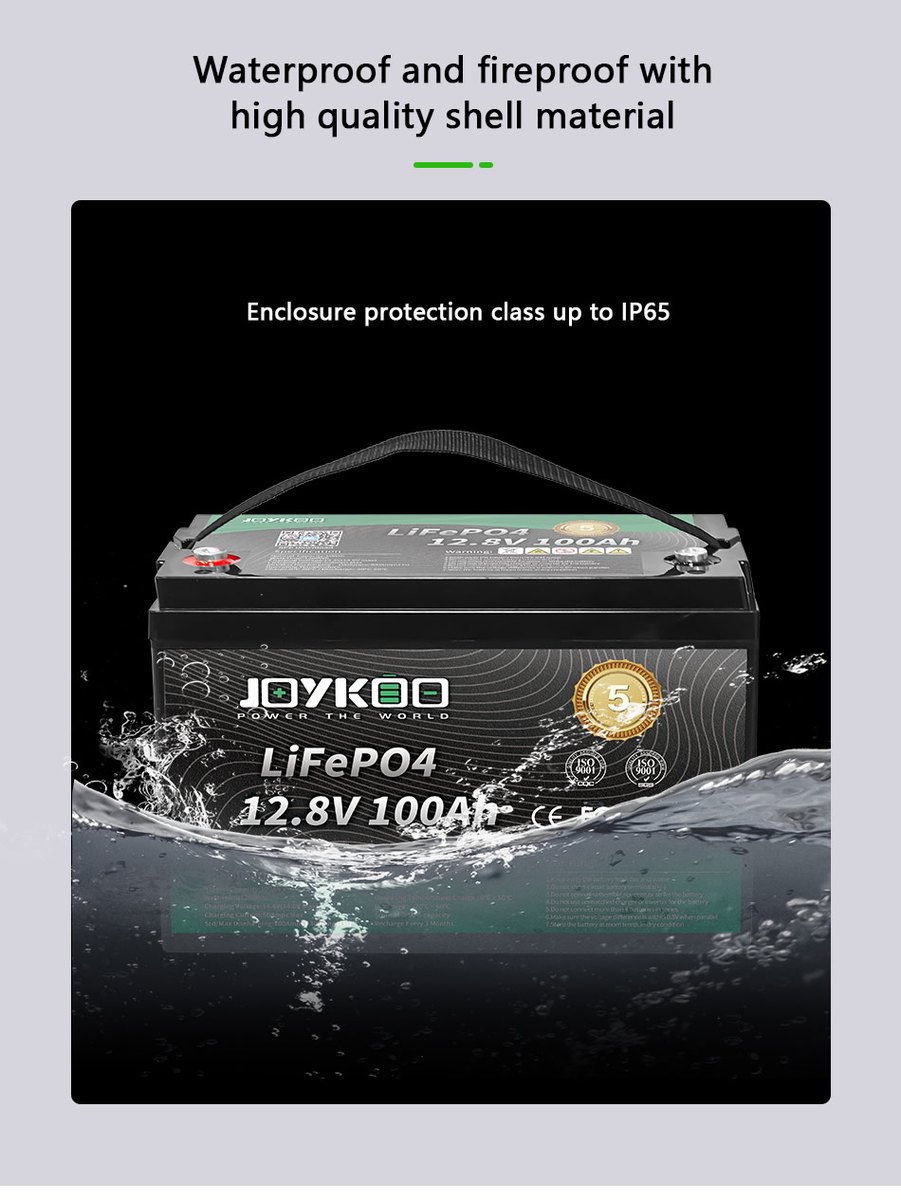
The pictures below show our 12.8 V / 25.6 V LiFePO4 battery platform — the most frequently specified family for lead-acid replacement projects in solar storage, ESS cabinets, AGV and forklift applications. The enclosure, capacity and BMS interface are configurable per project; the platform parameters below are the reference values.
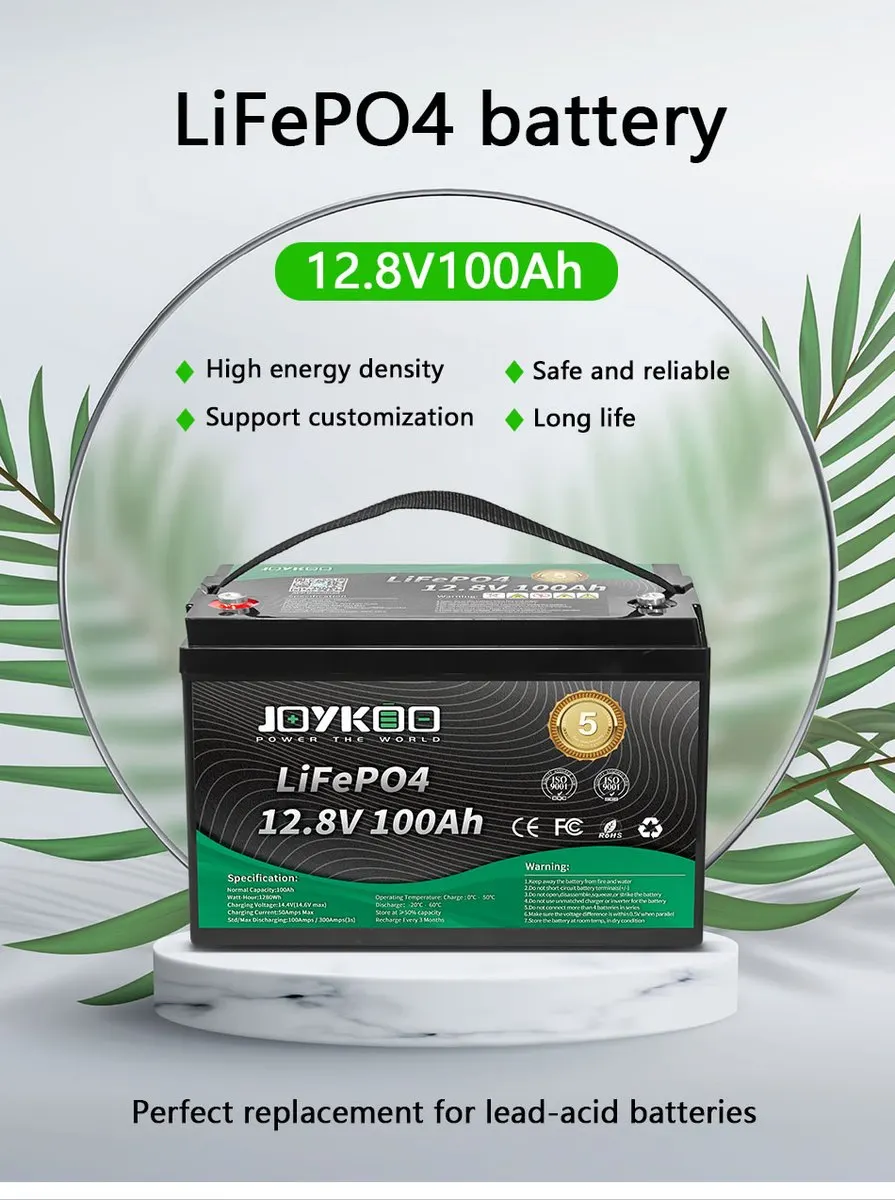
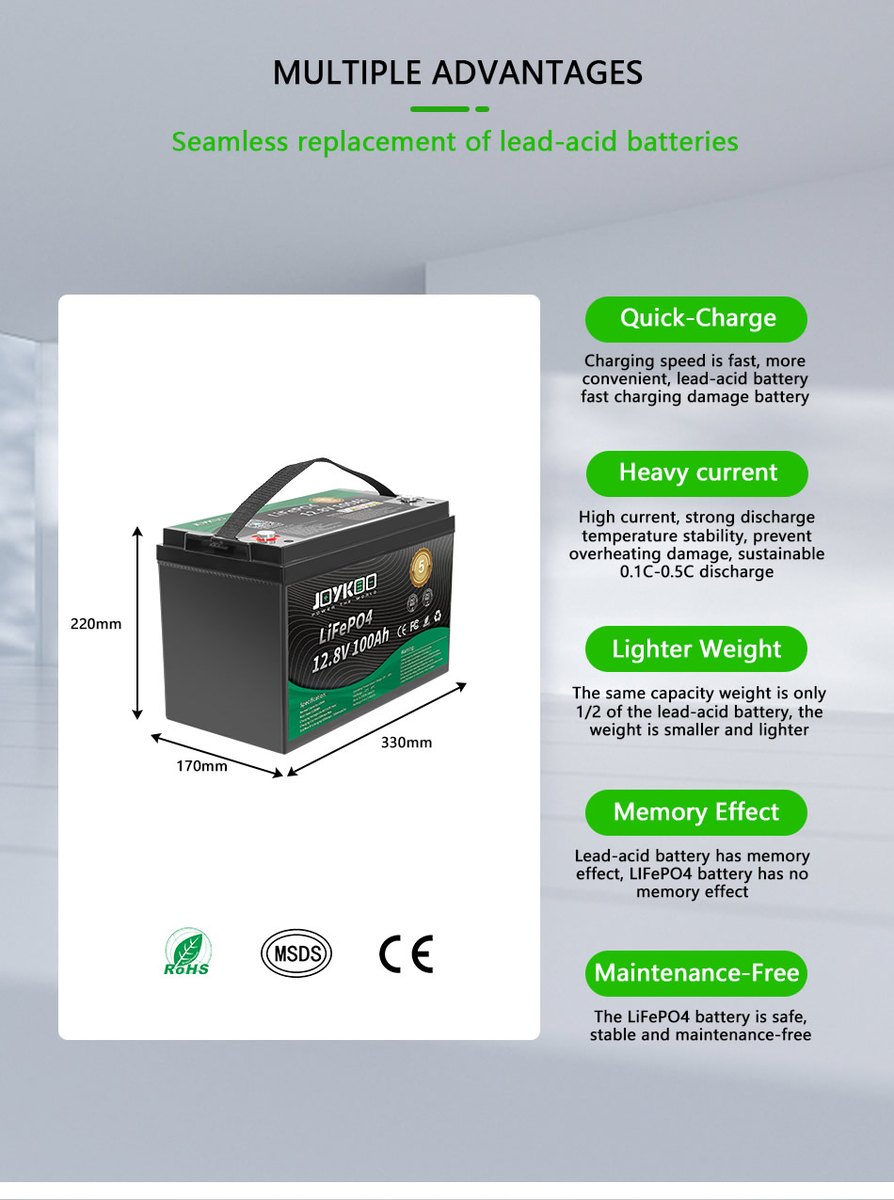
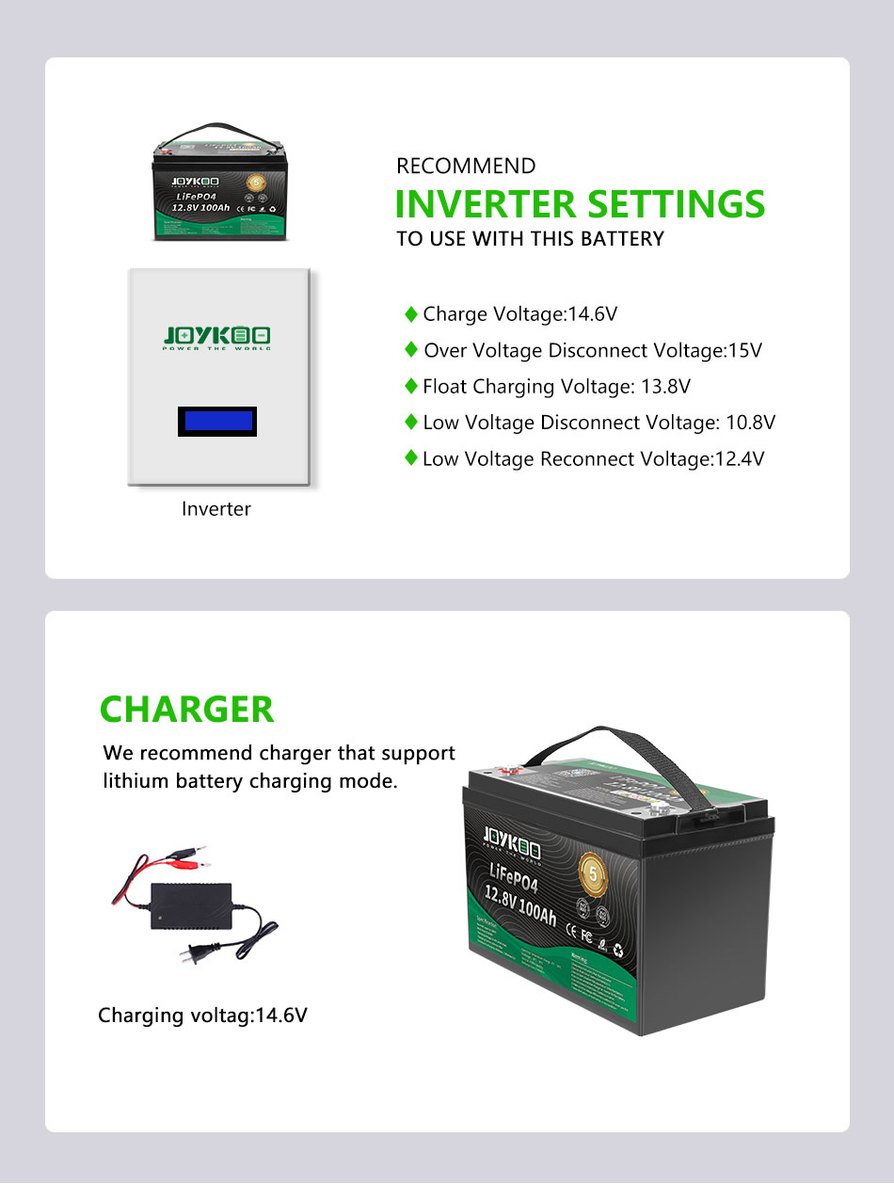

Reference platform parameters (12.8 V LiFePO4): charge voltage 14.6 V, over-voltage disconnect 15 V, float charging 13.8 V, low-voltage disconnect 10.8 V, low-voltage reconnect 12.4 V. Capacities, dimensions and weights are confirmed against your required Ah and installation space.
What We Need From You
- Existing battery model number, nominal voltage, capacity (Ah) and dimensions
- Load profile: continuous and peak power, daily cycles and depth of discharge
- Charge infrastructure: charger type, available input, and whether a charger replacement is acceptable
- Operating environment: temperature range, indoor or outdoor, IP and salt-spray requirements
- Communication requirement: BMS protocol, CAN / RS485, or remote monitoring platform
- Certification and shipping destination for the target market